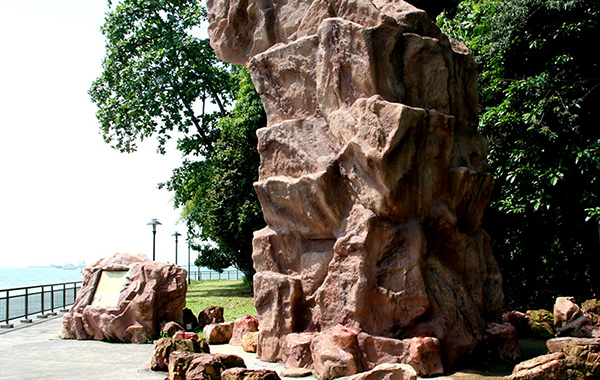
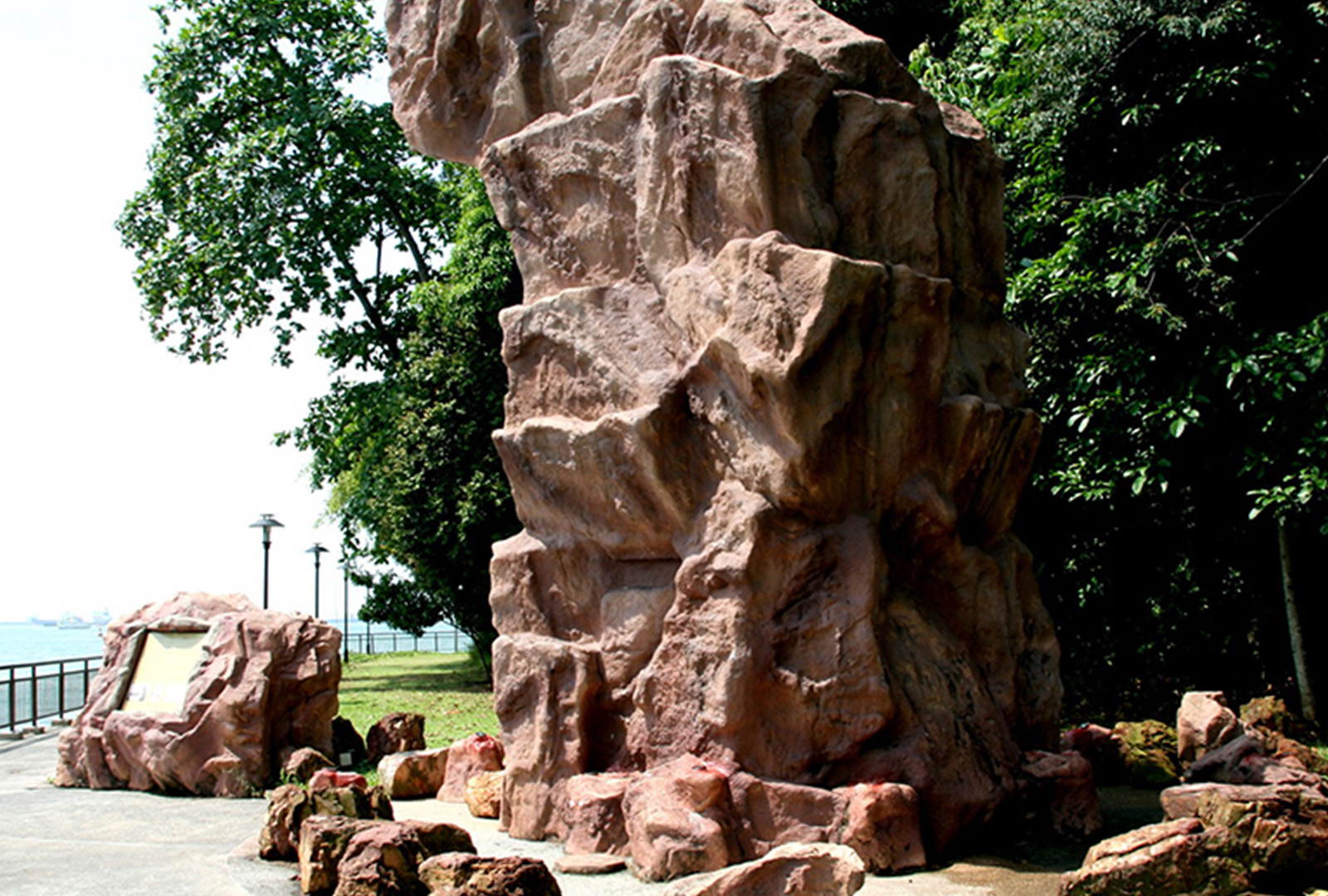
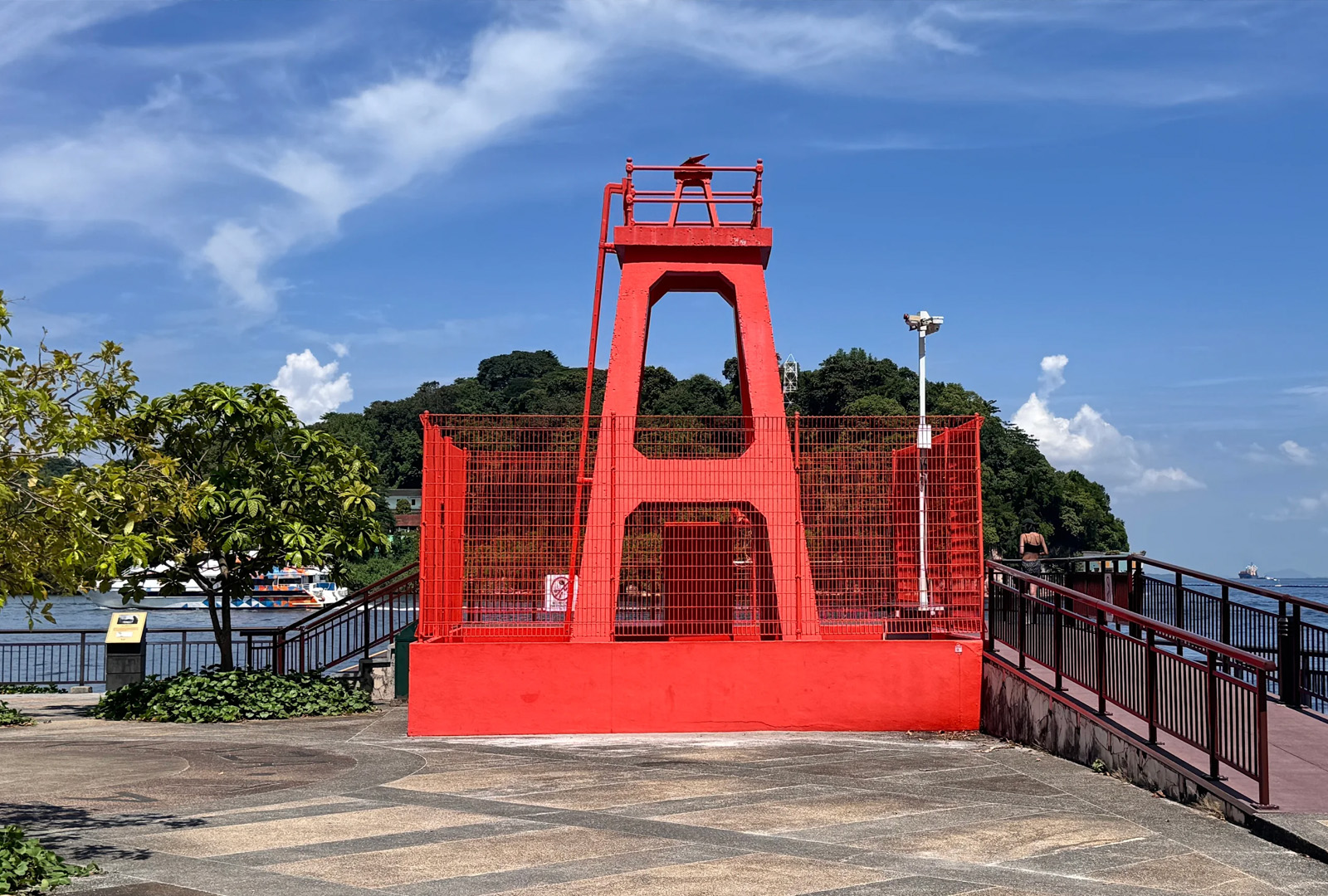
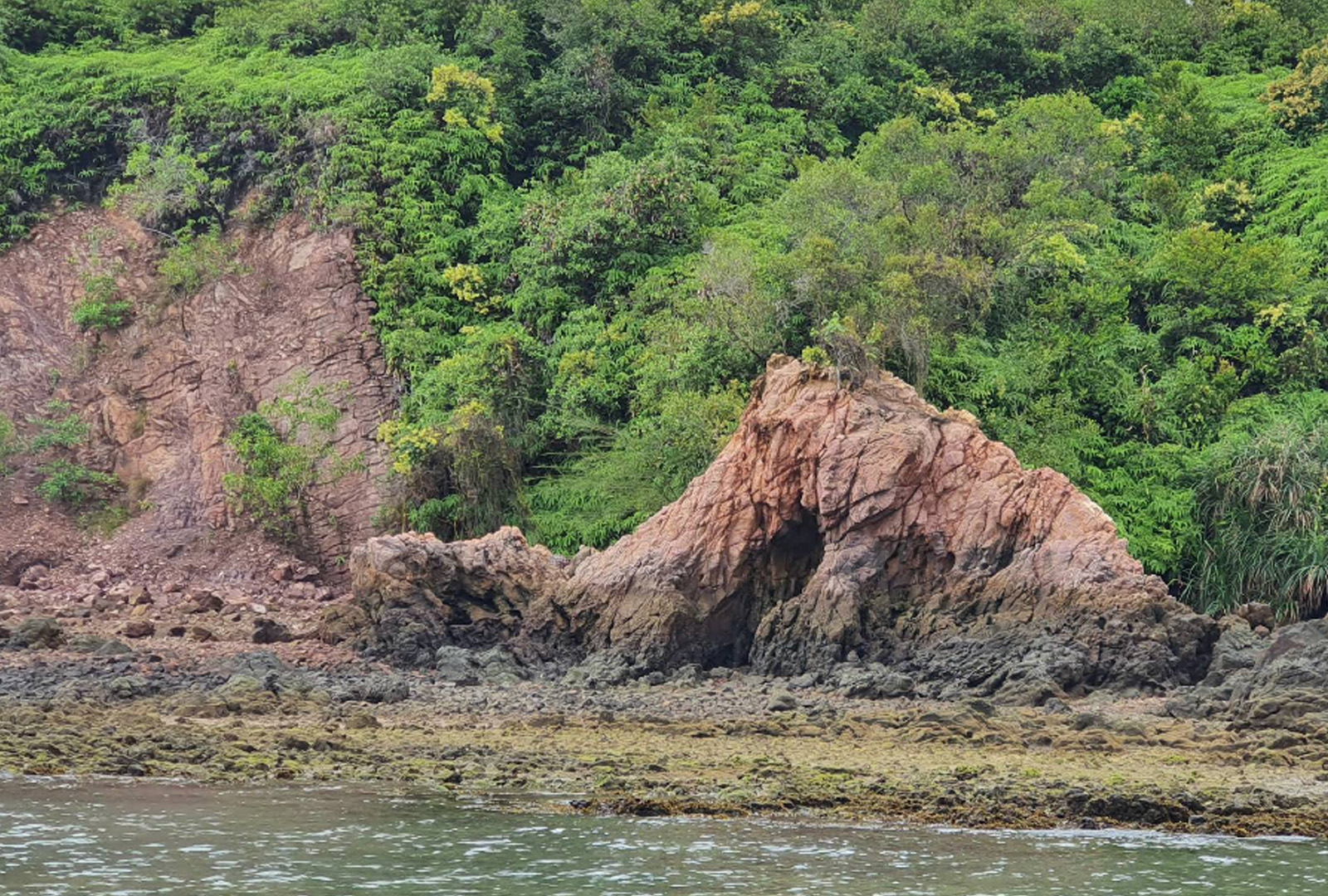
Long ya Men means Dragon’s tooth gate In Chinese. Some travellers recorded their journeys and the places they visited. Wang Dayuan’s account, He described his travels around the region. Historians agree that Wang was referring to Singapore and its surroundings, including the old Singapore Strait and Blakang Mati. The dragon’s teeth likely refer to Batu Belayar Sail rock in Malay, now replicated at Labrador Park and a promontory near today’s Fort Siloso.
must-dos
Walk the coastal boardwalk, explore the old bunkers
best for
Nature walks & photography
fun fact
Only protected coastal cliff ecosystem in Singapore
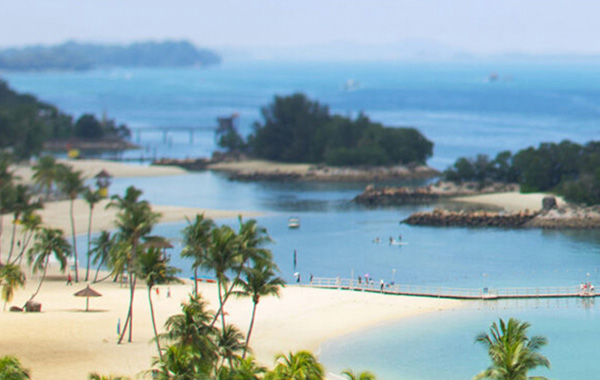
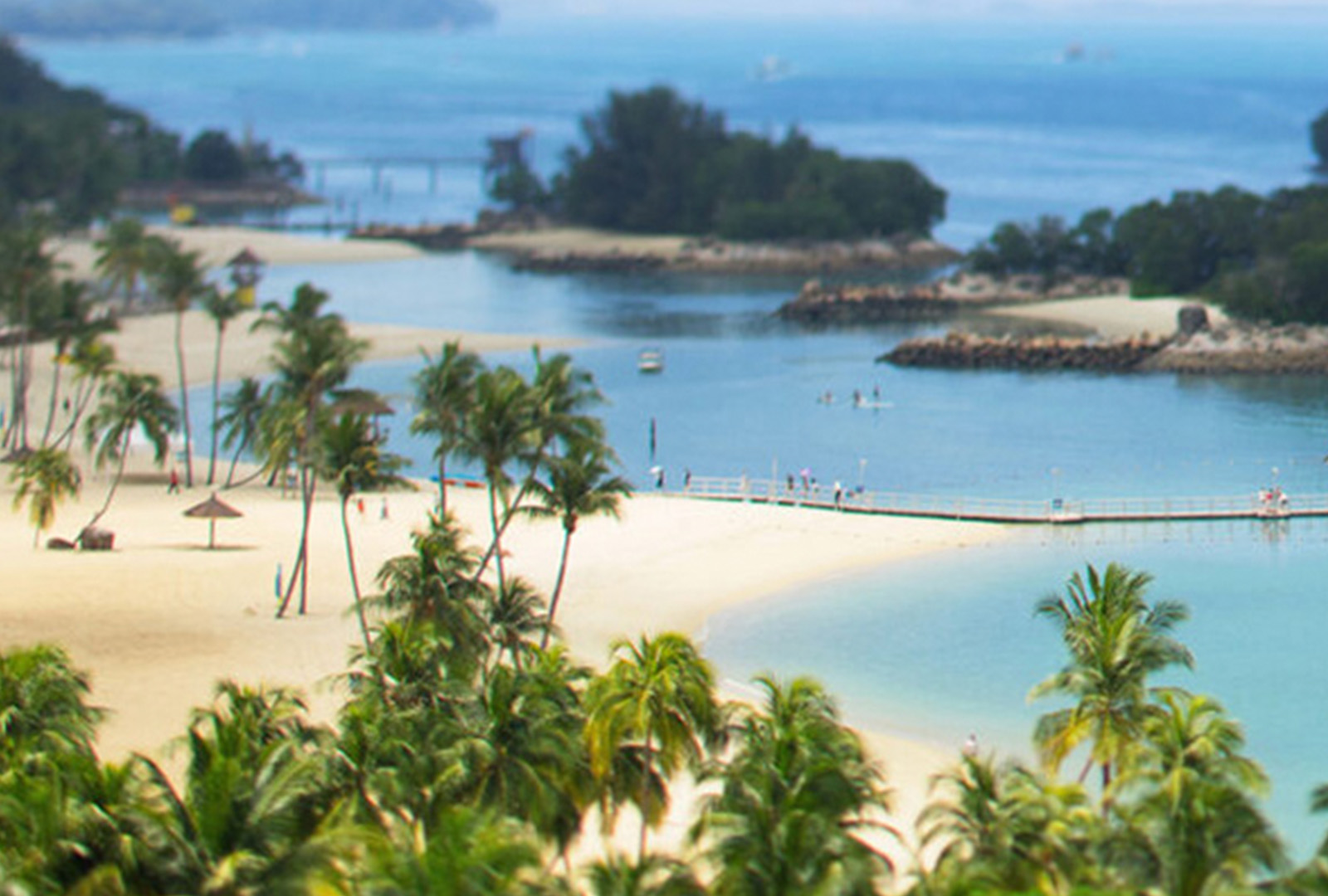
Sentosa Island blends rich wartime heritage with modern coastal leisure, offering historic forts, preserved tunnels, sun-soaked beaches, and vibrant nightlife. Once known as Blakang Mati and shaped by Malay heritage, colonial history, and seafaring folklore, it is now one of Singapore’s most iconic waterfront destinations. Visitors can explore Fort Siloso, Singapore’s only preserved coastal fort; relax at Siloso Beach, known for water sports and nightlife; or enjoy the family-friendly Palawan Beach, steeped in legends and early coastal history.
highlights
Visit ola beach club, relax at Siloso Beach, cross Palawan’s suspension bridge
best for
beachgoers, water sports, nightlife
fun fact
Once called Blakang Mati, its place names reflect Malay heritage and old coastal communities
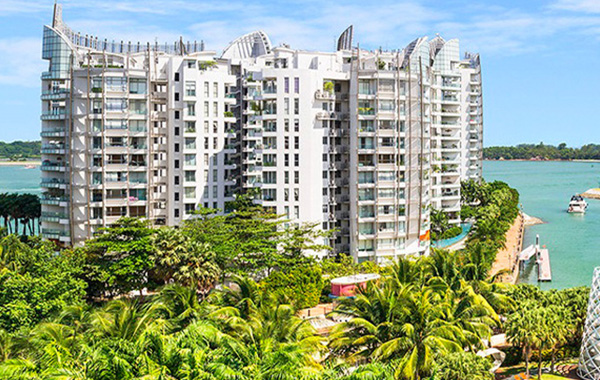
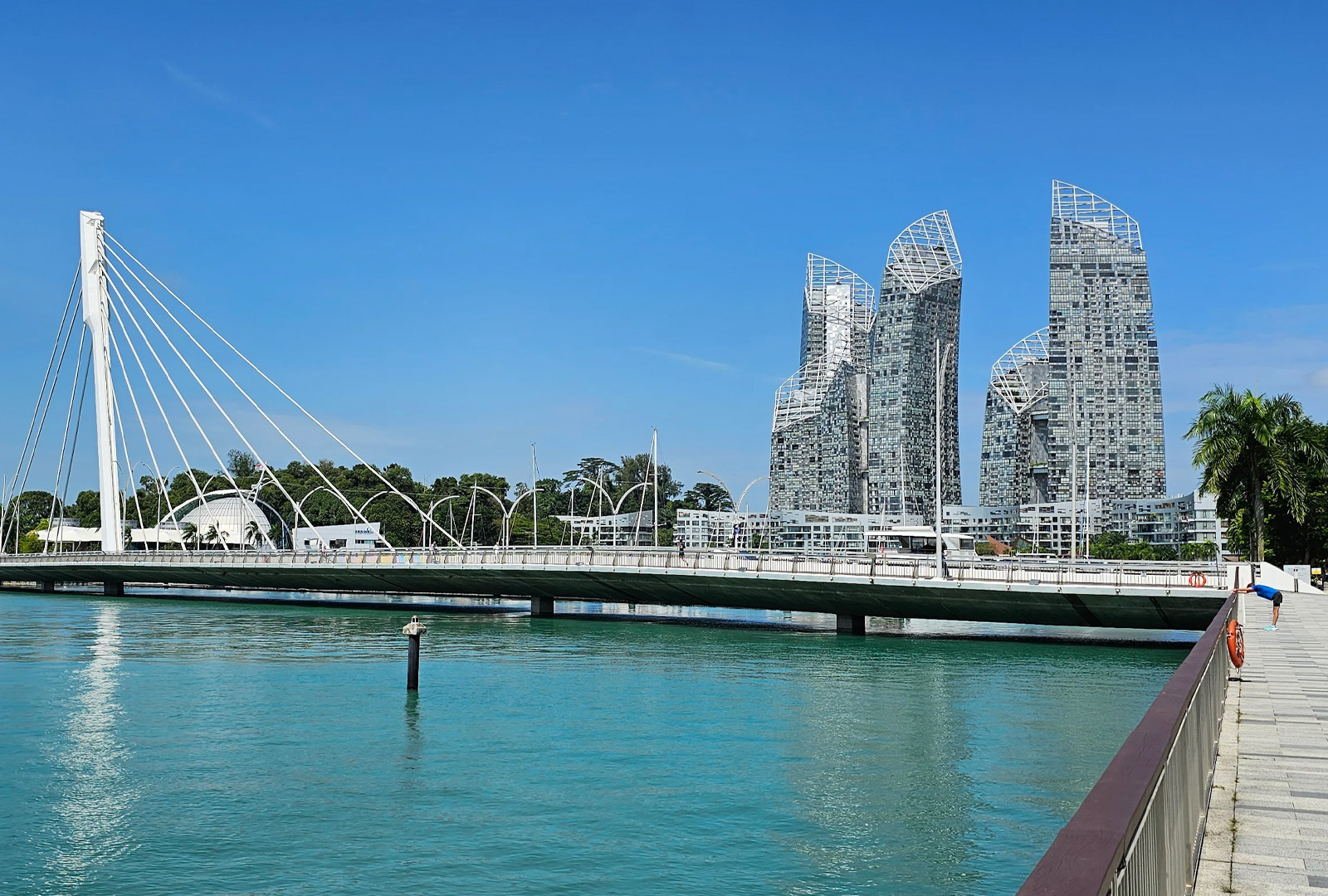
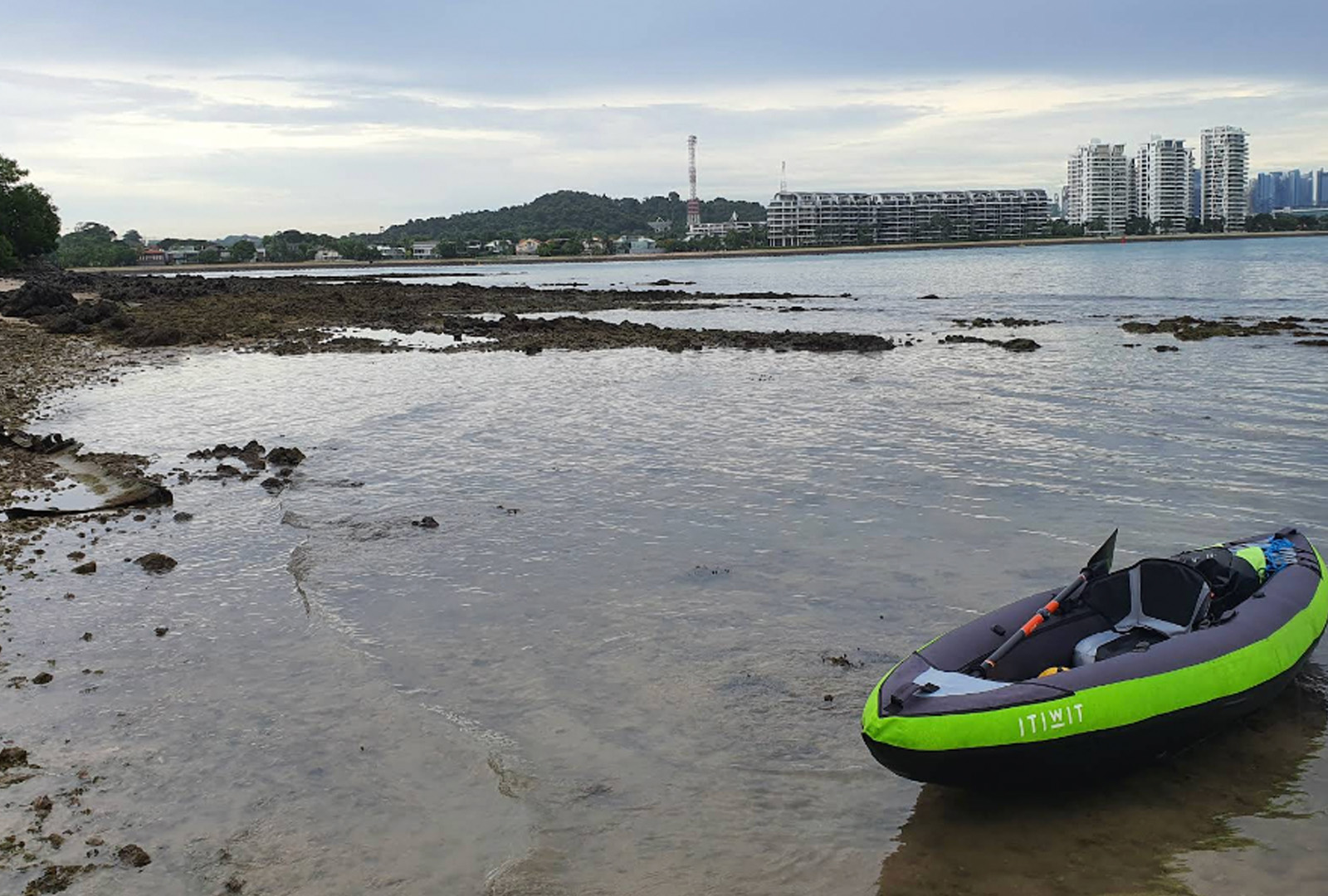
In 2003, Sentosa Cove was launched as a 117-hectare gated enclave featuring 2600 homes, including oceanfront villas, mansions and condominiums. Of the 117 hectares, 100 hectares are reclaimed land. The area includes five artificial islands Coral Island, Paradise Island, Treasure Island, Sandy Island and Pearl Island, mostly reserved for bungalows. The residential developments are clustered in the northern and southern precincts.
must-dos
Stroll along the boardwalk, enjoy waterfront dining
best for
leisure strolls, seaside dining, marina views
fun fact
Home to Singapore’s first and only residential marina community
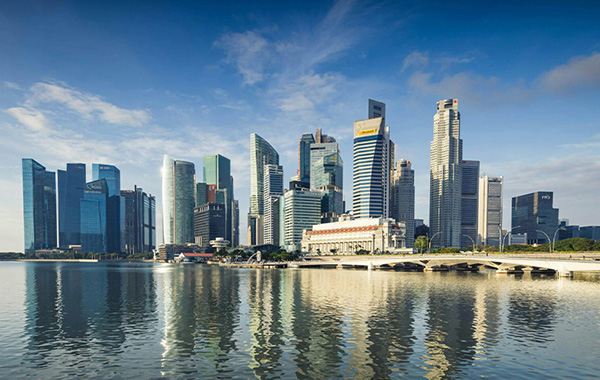
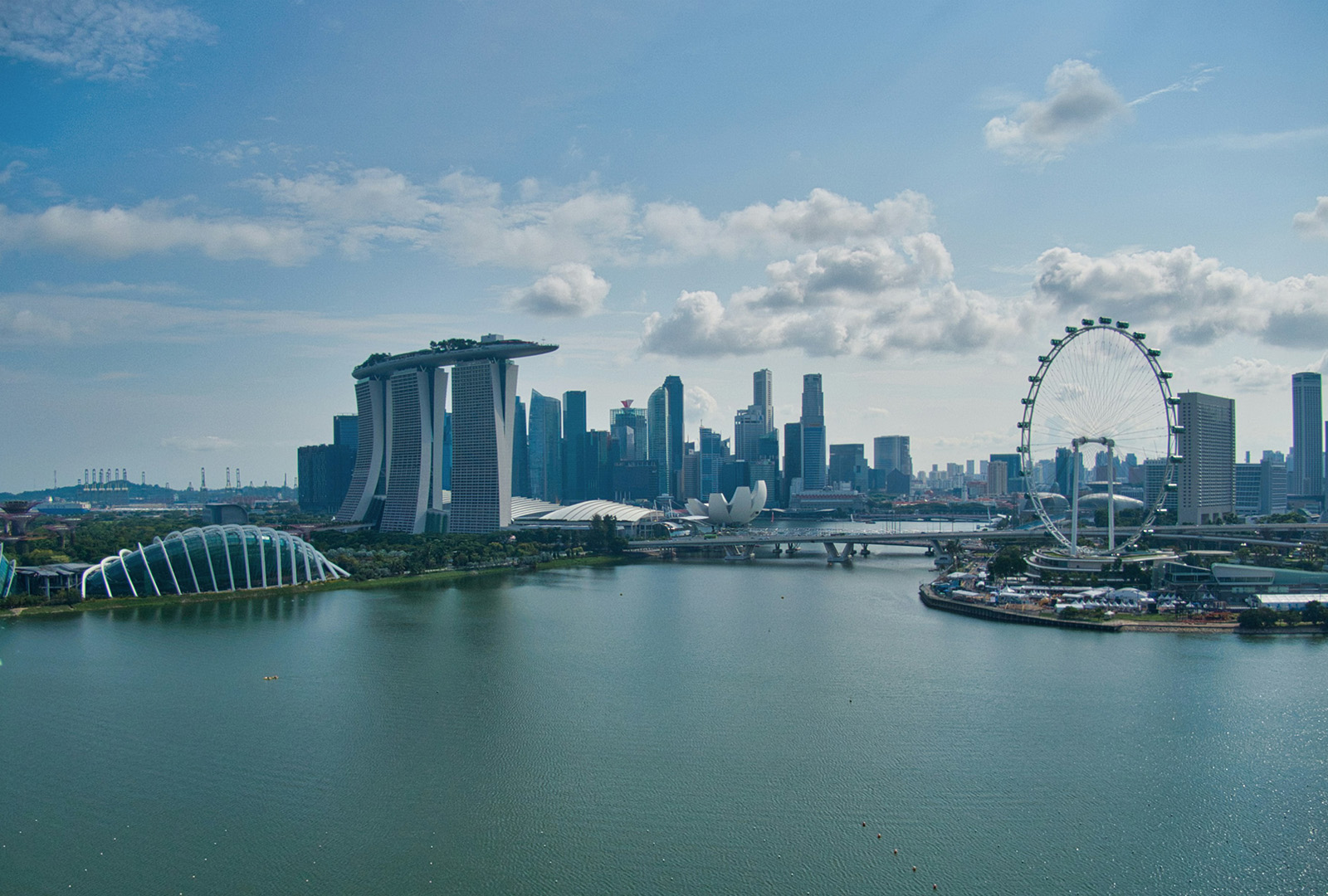
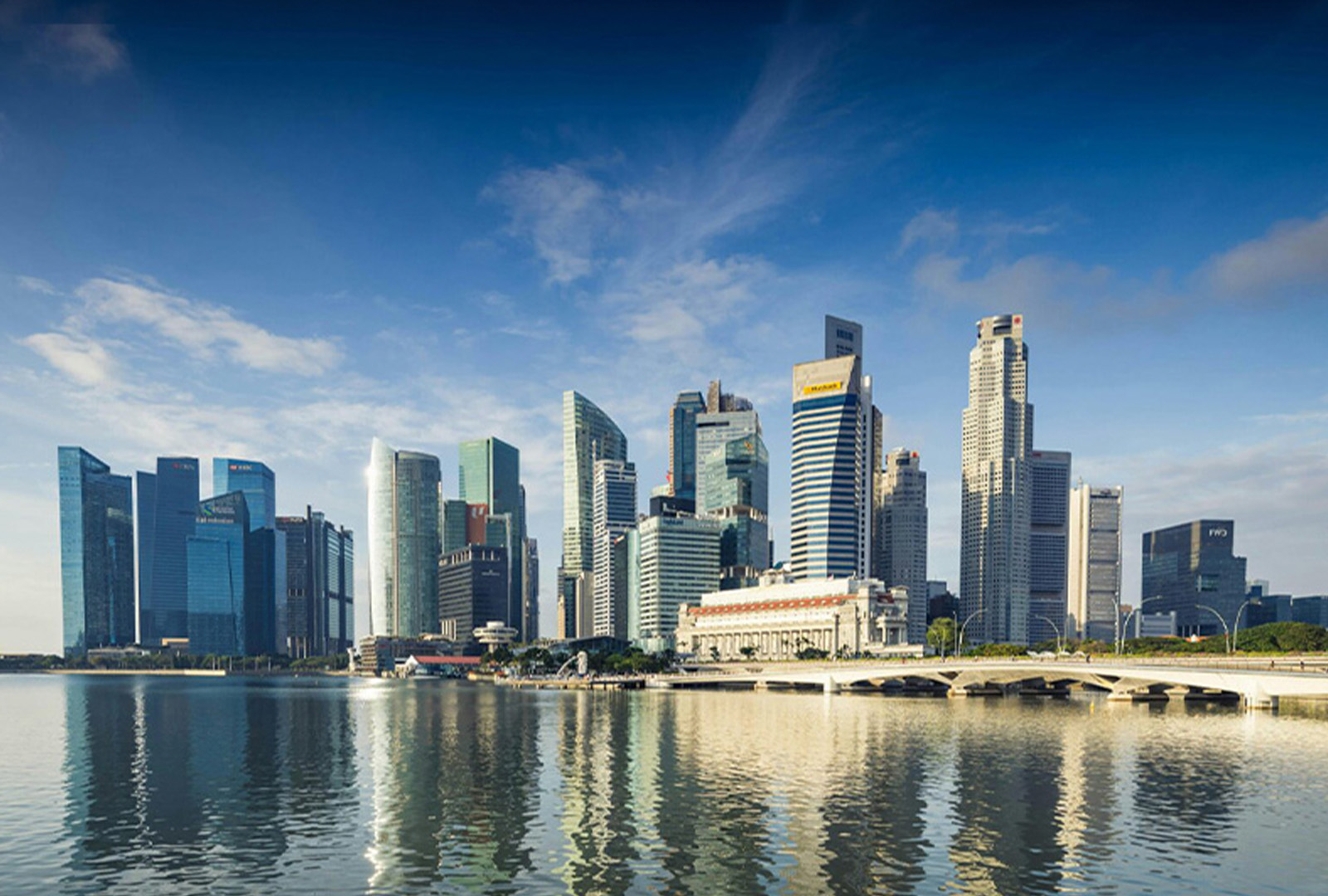
The dynamic skyline of Singapore Raffles Place. The financial heart of the city boasts sleek skyscrapers that symbolise Singapore’s economic prowess. Just beyond Marina Bay Sands rises majestically with its iconic SkyPark, offering breathtaking views from 57 floors above the ground. Further along, you’ll find Gardens by the Bay. A futuristic park that blends nature and technology. The Supertree’s towering vertical gardens stand as a testament to Singapore’s commitment to sustainability and innovation.
must-dos
Capture skyline photos, watch the golden hour transition
best for
Photography, sightseeing, sunset viewing
fun fact
Ranked among the world’s most iconic and recognisable skylines
highlights
Marina Bay Sands, Gardens by the Bay, Singapore Flyer
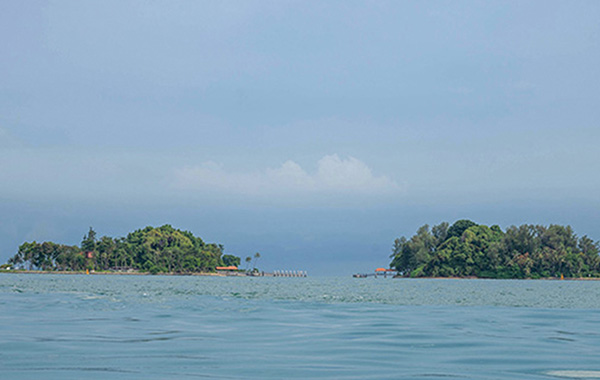
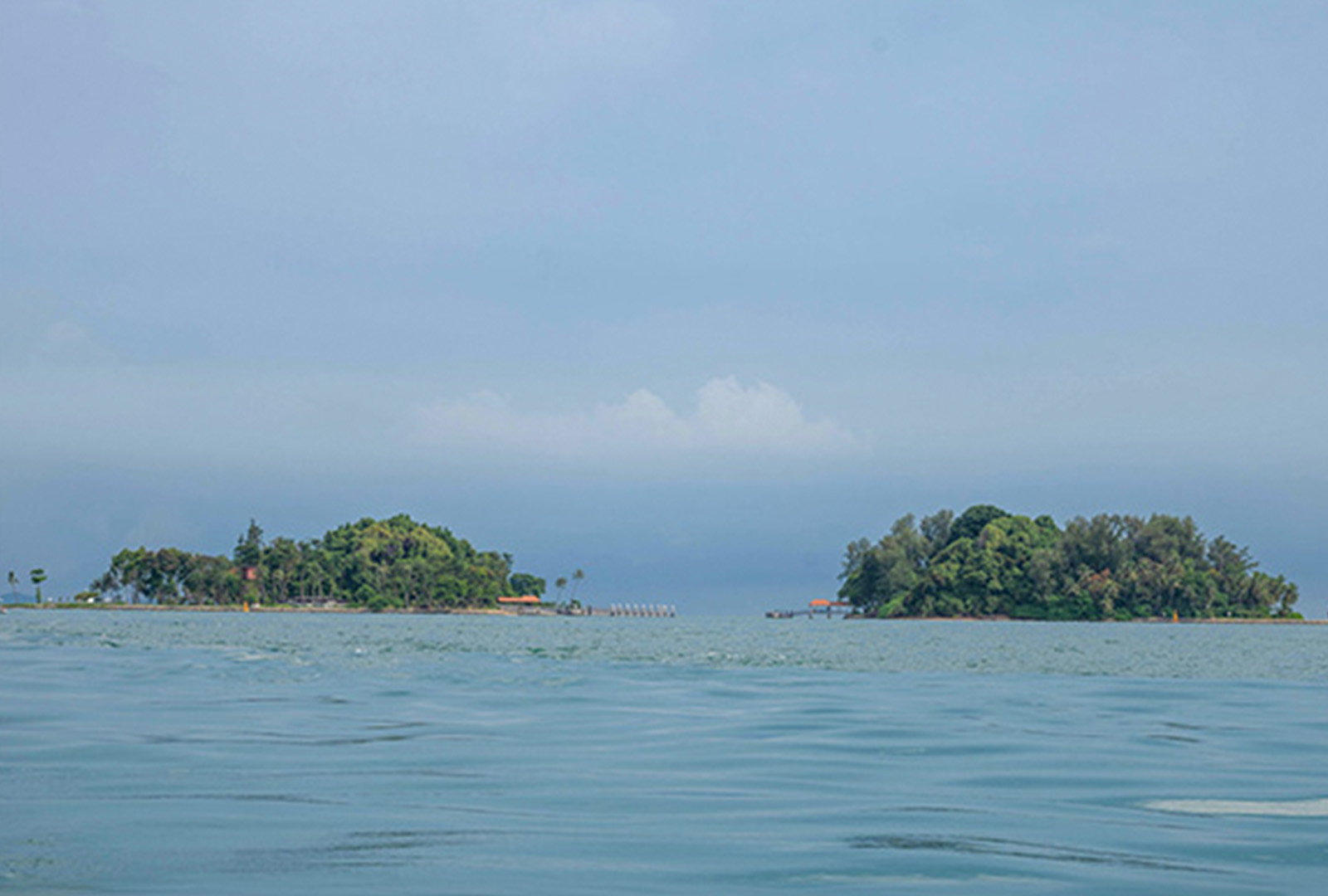
Sisters Islands located south of Singapore consist of Pulau Subar Darat (Little Sister’s Island) and Pulau Subar Laut (Big Sister’s Island) covering 1.7 and 3.9 hectares respectively. According to legend, two sisters, Minah and Linah, were so close that they vowed to marry two brothers to always live together. When the news spread, many suitors came, but none were brothers. One day, a pirate chief tried to force Linah into marriage. In their attempt to escape, The sisters drowned in a storm. The islands emerged where they perished and the villagers named them sisters Islands in their memory.
must-dos
Walk the Sisters’ Islands Nature Trail, explore coastal viewpoints, observe native flora & fauna
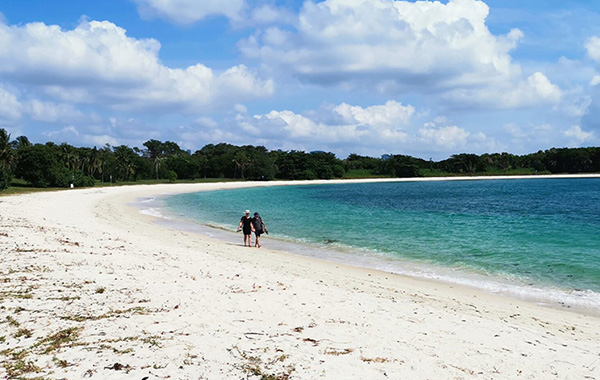
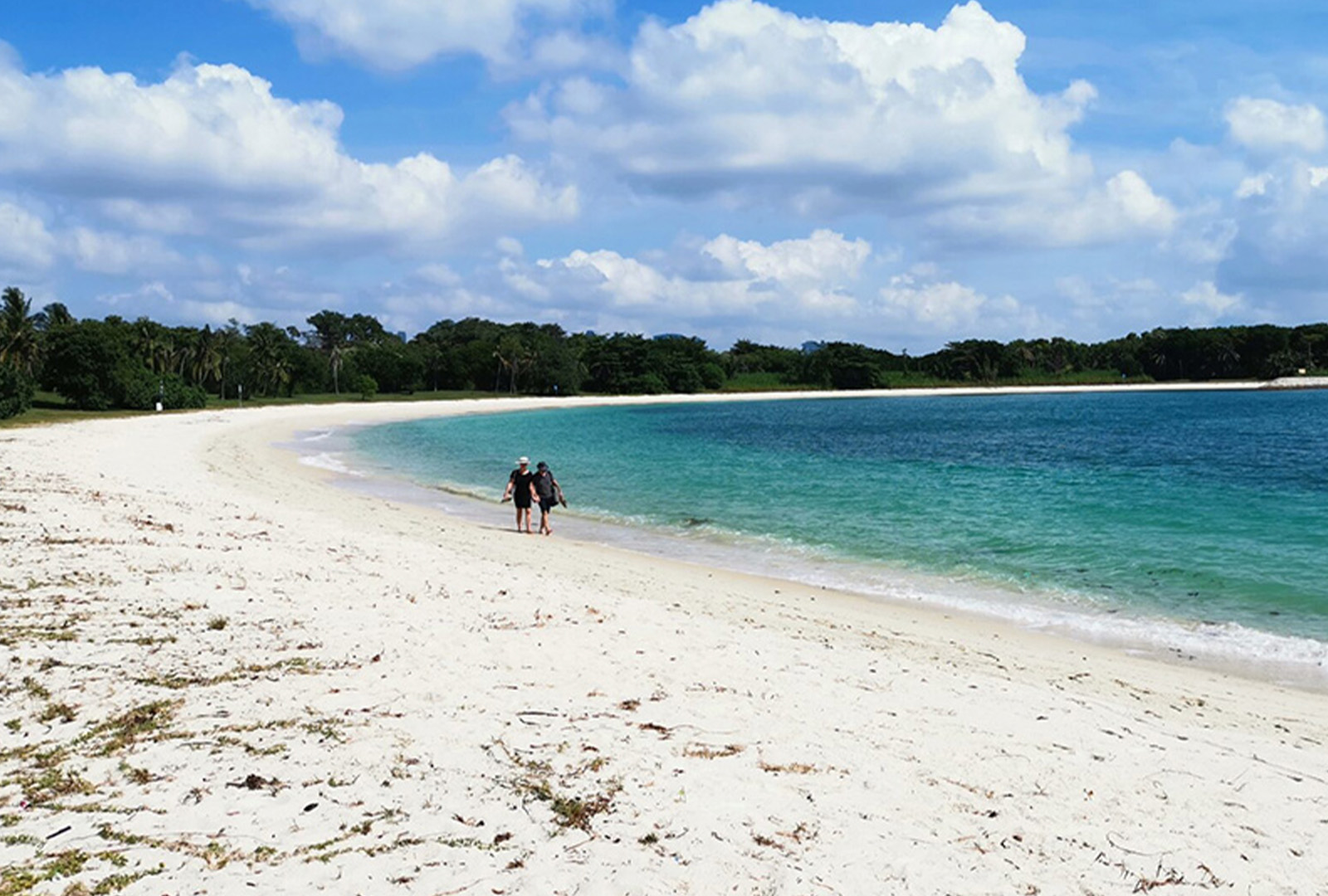
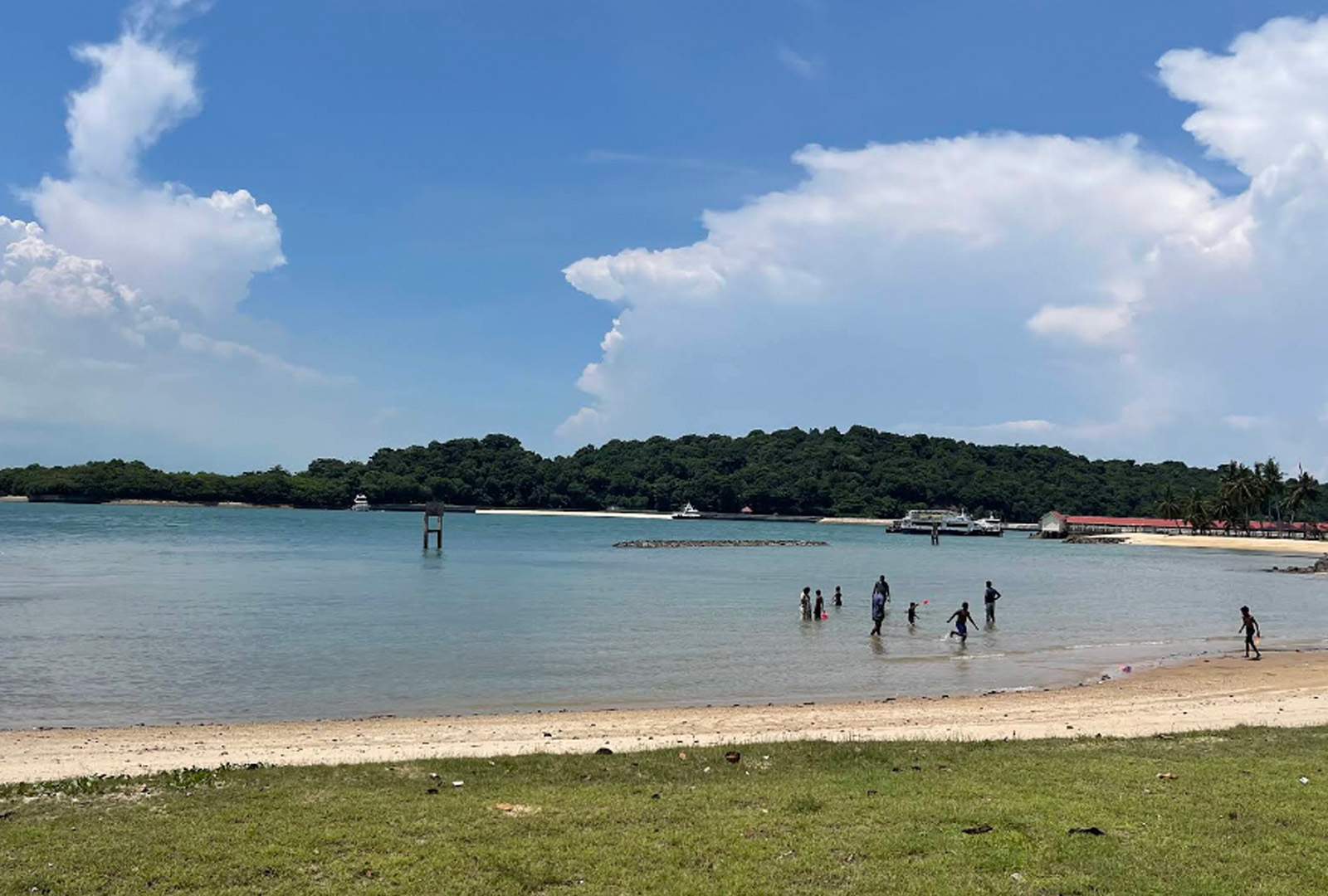
Lazarus Island, once known as Pulau Sakijang Pelepah, meaning island of deer and palms in Malay, housed prison confinement sheds in the late 19th century. These were abandoned after a prisoner’s daring escape. Today, the island attracts visitors to its clean, white sandy beach on a c-shaped lagoon known as one of Singapore’s best-kept secrets. Lazarus Island is one of the few spots in the southern islands where private yachts and boats can anchor, allowing visitors to enjoy its pristine beaches and unspoiled beauty.
must-dos
Swim in the lagoon, relax on the beach, explore the coastal trail
best for
Swimming, picnics, sunbathing, nature escapes
fun fact
Once a hidden gem, now one of Singapore’s most beloved island getaways
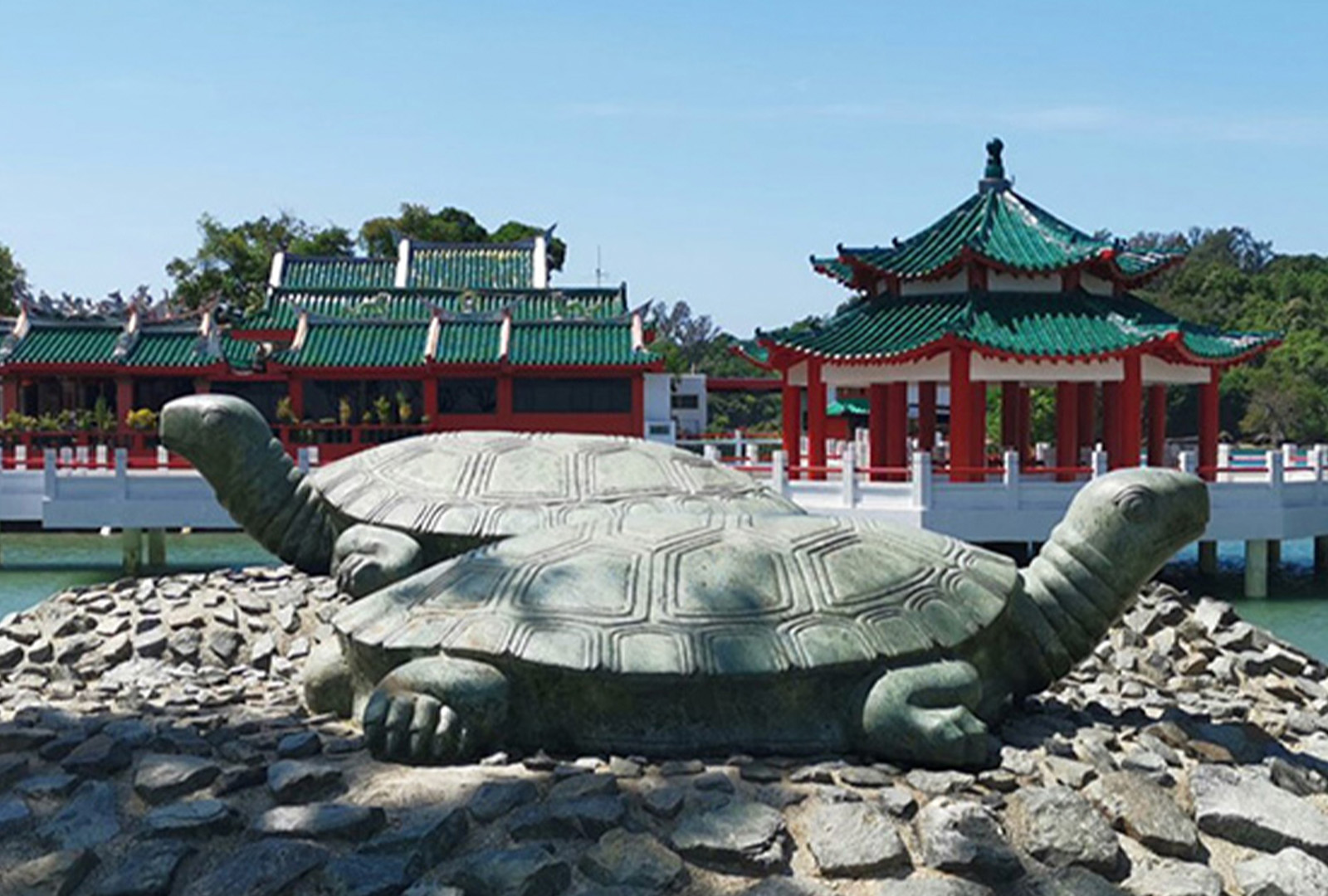
Kusu Island is home to a Chinese temple and three Malay keramat (shrines), attracting thousands of pilgrims annually, especially in the ninth lunar month between September and October. Kusu means “tortoise” or “turtle” in the Hokkien dialect. The island, also known as Pulau Tambakul, Goa Island or Peak Island, was originally 1.2 hectares in 1975. Landfill and Reclamation joined it with another coral outcrop, expanding it to an 8.5-hectare resort during the colonial era, Kusu Island served as a burial site for immigrants who died while in quarantine on St John’s and Lazarus Islands.
must-dos
Visit the iconic temple, see the tortoises at the sanctuary, enjoy the serene coastal paths
best for
Cultural visits, nature walks, calm island retreats
fun fact
“Kusu” means “tortoise” in Hokkien — inspired by local legends of a giant magical tortoise
highlights
Chinese temple, Malay keramats, Tortoise Sanctuary
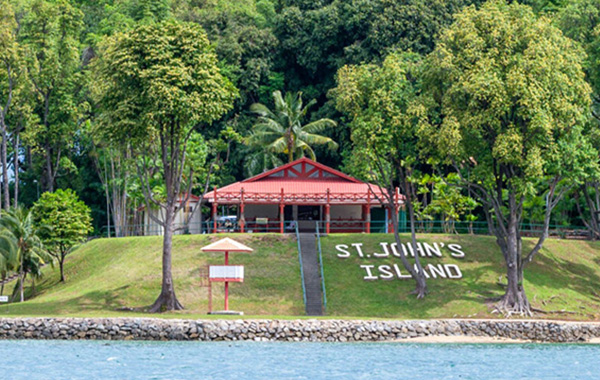
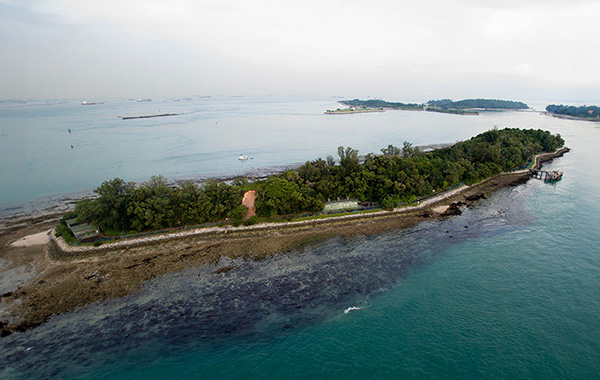
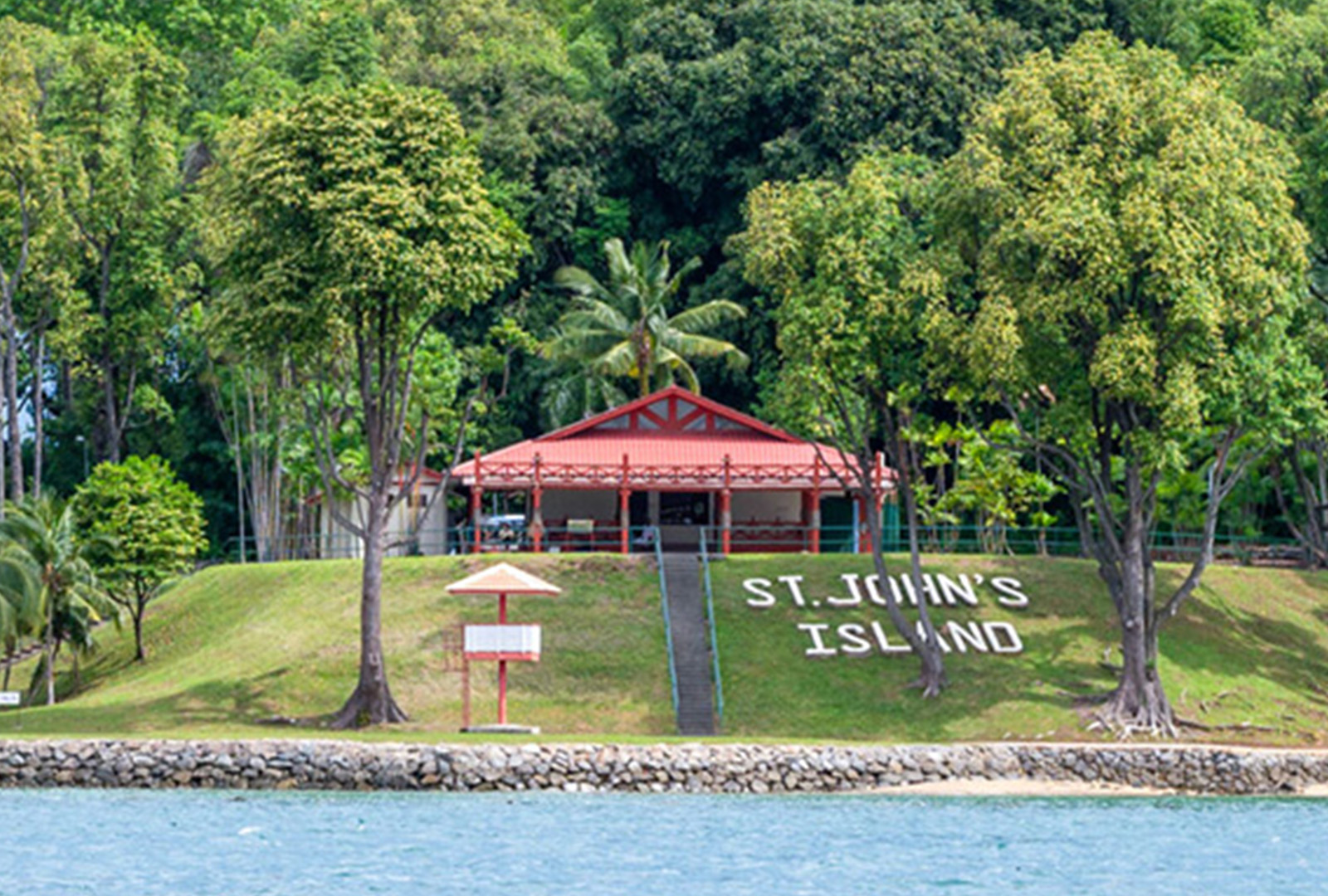
Saint John’s Island, once a penal settlement, is now a holiday resort with a significant history tied to Singapore, Stamford Raffles anchored off the island on the 28th of January 1819, before heading to mainland Singapore. During the influx of immigrants, the island served as the report boat station for the Marine Department until a cholera epidemic in 1873 caused 448 deaths. Saint John’s Island then hosted a floating police station, a hospital and a quarantine burial ground at Peak Island, handling over 1300 cholera-infected Chinese coolies. After mass immigration ceased, the island housed political detainees and secret society ringleaders. Later, it was converted into a drug rehabilitation centre. And in 1975, it became a popular holiday campsite for schools and students.
must-dos
Explore the St. John’s Nature Trail, relax by the lagoons, discover native flora & fauna
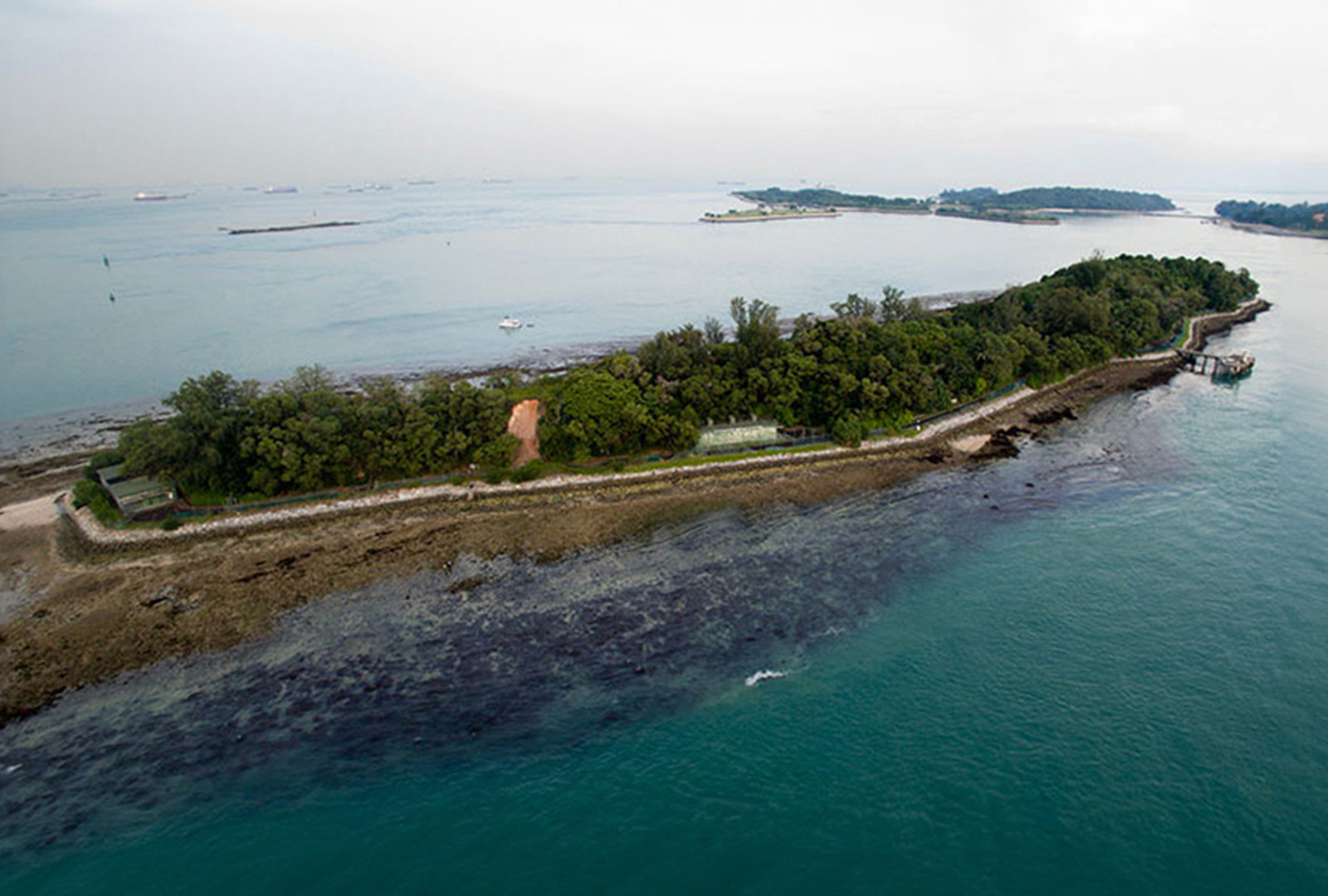
Tekukor Island or Pulau Tekukor Just off Sentosa is rarely visited due to the need for special permission. Recently special authorisation was secured to search for giant clams, allowing a rare trip to the island. Historically, it served as an ammunition dump until the 1980s. The island is expansive with rocky cliffs and a lengthy intertidal zone on one side and reefs encircling its perimeter. “Tekukor” translates to “Turtle Dove” or “Spotted Neck Dove”, Hence Pulau Tekukor means turtle dove Island or island of turtle doves.
must-dos
Walk the coastal paths, observe wildlife, enjoy the island’s untouched natural beauty
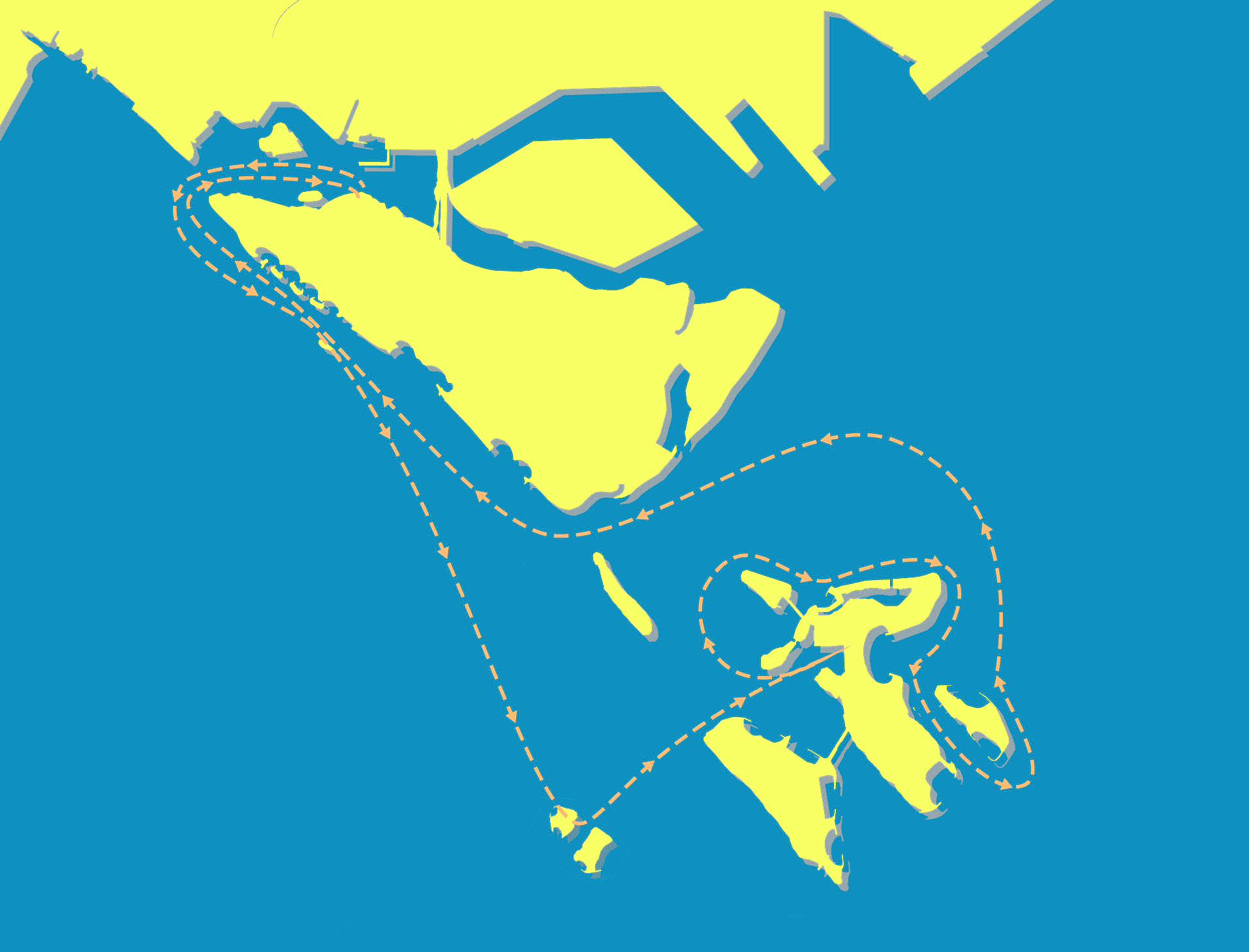
Escape the city and conquer the Southern Islands in style. With our flexible 1-day pass, you enjoy unlimited rides, breathtaking coastal views, and the complete freedom to explore Singapore’s hidden gems at your own pace.
Children under 8 years old must sit in the middle row between adults, wear the provided life jacket, and have a waiver signed by their parents. For children aged 8 to 12, we recommend sitting in the middle row between adults as well. Additionally, children under 13 must be supervised by a responsible adult at a ratio of at least one adult for every four children at all times.
How long is the cruise and what does it include?
Our cruises are normally 60 minutes.
Where can I buy tickets?
Tickets are available via through reputable travel agents and via our ticket kiosk located adjacent to the Royal Albatross at Resorts World Sentosa.